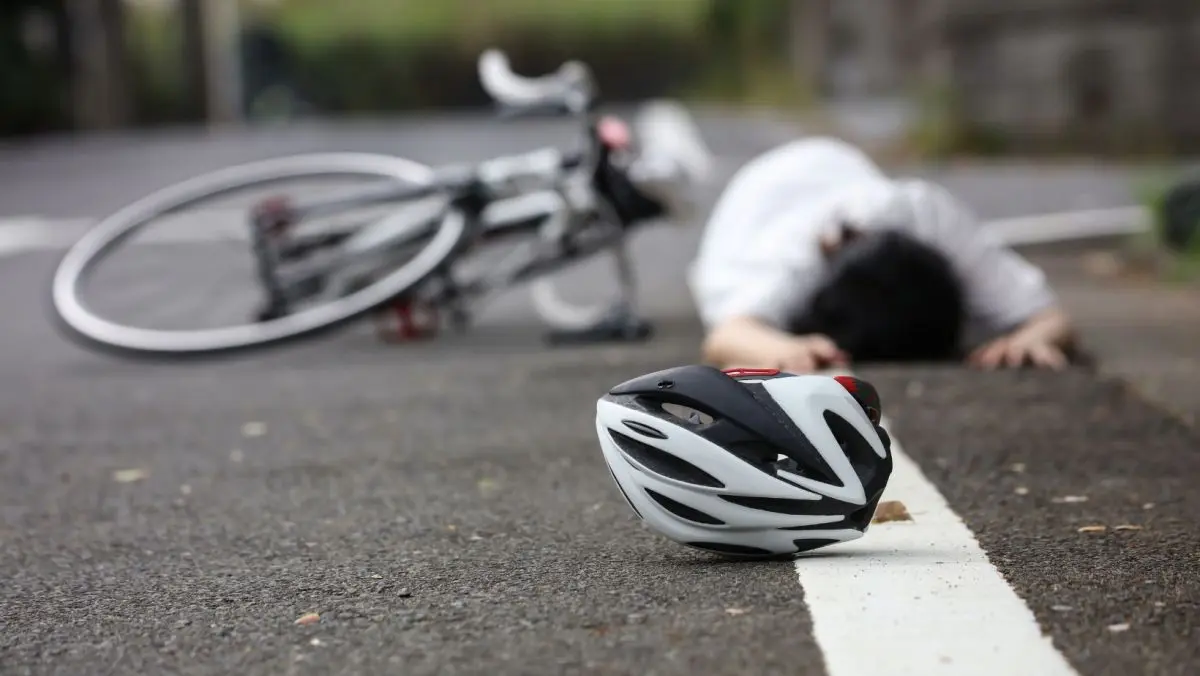
A bicycle crash can flip your day upside down in seconds. One moment, you’re riding through Adams Morgan or near the National Mall. The next, you’re on the pavement hearing brakes screech and people shouting nearby. It’s chaotic. Your pulse jumps. Your thoughts scatter. And honestly, many cyclists make key mistakes during those first minutes after a crash. Washington, DC has more cyclists than ever before. Bike lanes fill quickly during morning traffic. Food delivery riders zip through downtown streets. Weekend riders crowd trails once spring weather rolls in. That’s good news for cleaner travel. Still, busy roads bring more accidents. Knowing what to do after a bicycle collision can protect your health, your finances, and your legal rights.
Images Category
- 1 First Things First — Check for Injuries
- 2 Move to Safety if Possible
- 3 Call the Police — Even for Minor Crashes
- 4 Gather Evidence While You Can
- 5 Don’t Brush Off Medical Care
- 6 DC Law Can Be Tough on Cyclists
- 7 Insurance Companies Aren’t Always Friendly
- 8 When Legal Help Makes Sense
- 9 Recovery Takes Time — And That’s Normal
- 10 FAQs About Washington, DC Bicycle Accidents
First Things First — Check for Injuries
Adrenaline masks pain. You may stand up and think you’re fine. Then hours later, your shoulder locks up or your head starts pounding. That happens often after bike crashes. Call 911 if anyone appears hurt. Even if injuries seem small, seek medical care fast. A doctor can spot hidden issues like concussions or internal injuries before symptoms worsen. Common bicycle accident injuries include:
- Broken bones
- Neck injuries
- Concussions
- Road rash
- Knee damage
- Spinal injuries
You know what? A simple wrist fracture can affect work for months. Small injuries don’t always stay small.
Move to Safety if Possible
If traffic is still moving, get out of the roadway when you can safely move. Stay calm. Easier said than done, right? Try not to argue with the driver. Emotions run high after crashes. Some drivers panic. Others blame the cyclist immediately. That back-and-forth rarely helps. Focus on safety and gathering facts instead.
Call the Police — Even for Minor Crashes
Some riders skip this step. Big mistake. A police report creates an official record of the collision. Insurance companies often rely heavily on that report later. When officers arrive:
- Give clear facts
- Avoid guessing
- Avoid admitting fault
- Ask how to get the report
Stick to what you know. For example, say, “The car turned into my lane.” Don’t say, “Maybe I was riding too fast.” Guessing can hurt your case later.
Gather Evidence While You Can
Crash scenes change quickly. Cars leave. Witnesses disappear. Rain washes away skid marks. Even road debris gets cleared fast. If possible, collect:
- Photos of the bike
- Damage to vehicles
- Street signs and traffic lights
- Your injuries
- Witness names and numbers
Take wide shots and close-ups. Think of it like building a puzzle. Every photo adds another piece. Also keep your damaged bike and helmet. Don’t repair or throw them away yet. They may help show the force of impact.
Don’t Brush Off Medical Care
Here’s the thing — insurance companies watch treatment gaps closely. If you wait days before seeing a doctor, insurers may argue the injury wasn’t serious. Or worse, they may claim something else caused the pain. Medical records help connect the injury directly to the crash. Follow treatment plans carefully. Attend follow-up visits. Save receipts and prescriptions too. Yes, paperwork gets annoying. Still, it matters.
DC Law Can Be Tough on Cyclists
Washington, DC follows a strict contributory negligence rule. That rule surprises many people. If a cyclist shares even slight blame for the crash, recovering money may become difficult. Insurance companies know this and often push hard to shift blame. They may argue:
- The rider ignored traffic signals
- The cyclist left the bike lane
- Reflective gear was missing
- The rider acted unpredictably
Sometimes those claims hold little weight. Still, they can affect a case. That’s why evidence and legal guidance matter so much after a DC bicycle accident.
Insurance Companies Aren’t Always Friendly
Right after a crash, an adjuster may sound helpful. They ask how you’re feeling. They offer quick payments. They may even say the claim looks simple. Honestly, it’s rarely that simple. Early settlement offers often fail to cover future treatment, missed work, or long-term pain. Once you accept payment, reopening the case becomes difficult. Before giving recorded statements, many injured cyclists speak with a lawyer first. That extra caution can prevent costly mistakes.
When Legal Help Makes Sense
Not every bike crash leads to a lawsuit. Some cases settle quickly. Others become messy fast. Serious injuries, disputed fault, or large medical bills usually call for legal support. An experienced DC Personal Injury Lawyer can help protect your rights and deal with insurers directly. Price Benowitz Accident Injury Lawyers, LLP represents injured victims across Washington, DC. The firm handles bicycle accidents, car crashes, truck accidents, pedestrian injuries, motorcycle collisions, and catastrophic injury cases involving spinal cord or burn injuries. A lawyer may help:
- Gather evidence
- Review crash reports
- Handle insurance talks
- Estimate future losses
- Fight unfair blame claims
That support gives injured cyclists room to heal without constant pressure from insurers.
Recovery Takes Time — And That’s Normal
Bike crashes affect more than bones and bruises. Some riders avoid traffic afterward. Others stop biking completely for months. That emotional stress is real. A collision can shake confidence in ways people don’t expect. Recovery often comes in stages. Physical healing matters. Mental recovery matters too. And sometimes, simply getting back on the bike feels like a huge step forward.
FAQs About Washington, DC Bicycle Accidents
- Should I call the police after a bicycle accident in DC?
Yes. A police report creates an official record of the crash and may support your injury claim later. Even minor accidents should usually be reported.
- What if I feel okay after the accident?
See a doctor anyway. Some injuries appear hours or days later, especially concussions and soft tissue injuries. Early treatment also helps document your condition.
- Can I recover damages after a bicycle accident in Washington, DC?
Possibly. If another party caused the crash, you may seek payment for medical bills, lost income, pain, and bike damage.
- Why is fault such a big issue in DC bicycle cases?
DC follows contributory negligence rules. If the cyclist shares fault, recovering compensation may become difficult. Evidence often plays a huge role.
- When should I contact a bicycle accident lawyer?
Reach out soon after the crash, especially if injuries are serious or fault is disputed. Early legal help may protect evidence and strengthen your case.